African Tree Silhouette SVG Bundle
First Impressions: Elegant Simplicity with Quiet Strength
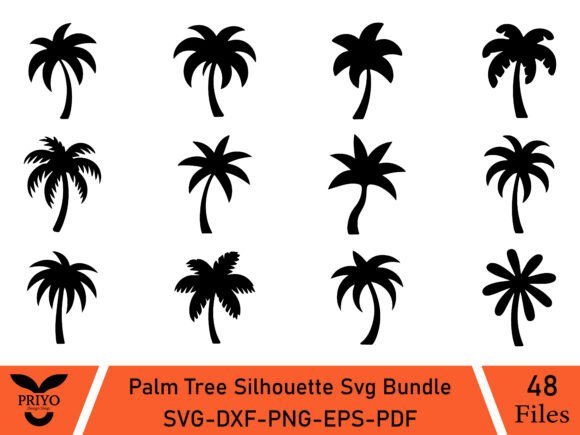
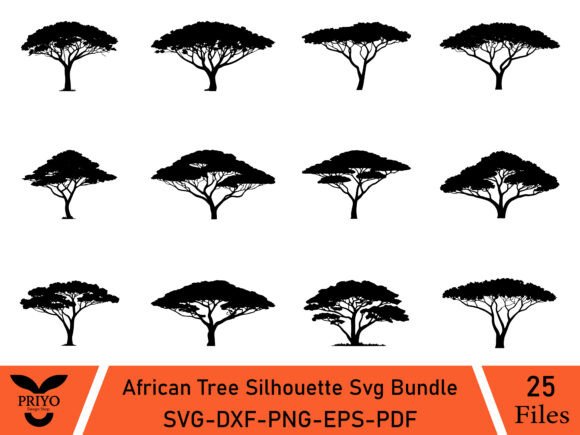
Opening the African Tree Silhouette SVG Bundle, I felt that familiar quiet thrill — the kind that comes when a design immediately signals intention. It’s not loud or fussy; it’s grounded, balanced, and deeply evocative. The silhouette carries weight without heaviness — broad canopy lines taper into slender trunks, echoing baobabs and acacias in a way that feels respectful and timeless. As an embroidery designer who’s stitched everything from nursery tees to boutique aprons, I appreciated how the shapes breathe: generous negative space, clean outer contours, and no micro-detail traps. This isn’t a design begging for 12 colors or 30,000 stitches — it’s built for clarity, legibility, and impact at real-world sizes.
Real Project Test: A Linen Tote Bag for a Local Botanical Shop
Last week, I used the African Tree Silhouette SVG Bundle on a custom order: a set of heavyweight linen tote bags for a small plant shop launching a “Rooted in Place” collection. I chose the medium-sized tree (approx. 4.5" wide) centered on the front panel. Stitched in matte black thread on natural undyed linen, it landed exactly as hoped — sophisticated but approachable, earthy but polished. Customers paused at the booth, ran fingers over the smooth satin-stitched canopy edge, and asked where the design was from. That tactile pause? That’s the sign of a design that works *as embroidery*, not just as a vector file.
Where It Shines — And Where to Pause
The African Tree Silhouette SVG Bundle excels in projects where subtlety and symbolism matter: embroidered baby onesies (gentle, meaningful), kitchen tea towels (clean, graphic, wash-friendly), pillow covers for modern-nursery decor, and unisex sweatshirt embroidery for slow-living brands. Its bold outlines translate beautifully into satin stitch borders and confident fill-stitch canopies — especially on stable fabrics like cotton twill, duck canvas, or midweight knits with proper stabilizer.
That said, I’d avoid using the largest version on curved surfaces like baseball caps without adjusting placement and hoop angle — the trunk base can distort if stretched across a dome. On ultra-thin fabrics (think lightweight rayon challis or silk-blend scarves), I’d opt for a lighter stitch density or switch to running-stitch outlines only. And while it reads clearly on dark fabric with light thread, I’d skip dense fill areas on stretchy performance knits unless paired with cutaway stabilizer and reduced stitch count — those tight canopy zones can pucker if the fabric gives too much.
What It Adds to Your Handmade Product — Beyond the Stitch
This isn’t just a shape — it’s a quiet value amplifier. When customers see this tree on a handmade tote or a personalized gift, they register craftsmanship *and* intention. There’s no visual noise competing with the message. That builds trust: buyers feel you chose something thoughtful, not just trendy. For Etsy sellers and craft fair vendors, it supports brand consistency — pair it with neutral thread palettes and organic packaging, and you’ve got cohesion without repetition. It also photographs well in printable mockups, which matters for digital product previews and social listings. Most importantly, it feels gift-ready: elegant enough for a wedding favor, grounded enough for a teacher appreciation gift, warm enough for a new parent.
Practical Notes Every Embroidery Designer Should Check
- Test first — Run the African Tree Silhouette SVG Bundle on scrap fabric matching your final project’s weight and stretch. Watch how the canopy fills — does it lay flat? Does the trunk hold its line?
- Thread color contrast matters — This design relies on silhouette strength. Avoid near-matching thread/fabric combos (e.g., charcoal thread on heather grey fleece) unless you want a whisper effect.
- Stabilizer is non-negotiable — Even on stable cotton, use medium-weight tear-away or cutaway for crisp edges. Skip the “no-stabilizer” experiment here — those smooth curves need support.
- Review stitch density — If converting to embroidery file format, inspect fill stitch spacing. Too dense = stiff fabric; too sparse = visible gaps. Aim for 0.4–0.6mm spacing in canopy areas.
- Hoop size check — Measure your largest tree version against your machine’s max hoop dimensions. Don’t assume “medium” fits your 5x7 — verify before hooping.
- Licensing clarity — Since this is listed as an Illustrations and Graphics product, confirm whether commercial use (e.g., selling finished embroidered totes on Etsy) is permitted. When in doubt, contact the seller — it protects your craft business.
- Mockup wisely — Try black-and-white and high-contrast digital mockups before stitching. If it reads strong there, it’ll read stronger in thread.
Final Thought: A Design That Respects the Craft
The African Tree Silhouette SVG Bundle doesn’t shout. It stands — quietly, confidently — in the space between art and utility. It’s the kind of embroidery file I keep in my “go-to meaningful motifs” folder: versatile enough for a holiday embroidery run on wool-blend blankets, refined enough for boutique branding, and honest enough for a handmade product that doesn’t need embellishment to feel special. If you’re choosing design assets for real projects — not just collections — this one earns its place. Just remember: respect the fabric, honor the stitch, and let the tree speak for itself.