Vegetable SVG Bundle: Fresh, Friendly & Functional
First Impressions: Whimsy with Purpose
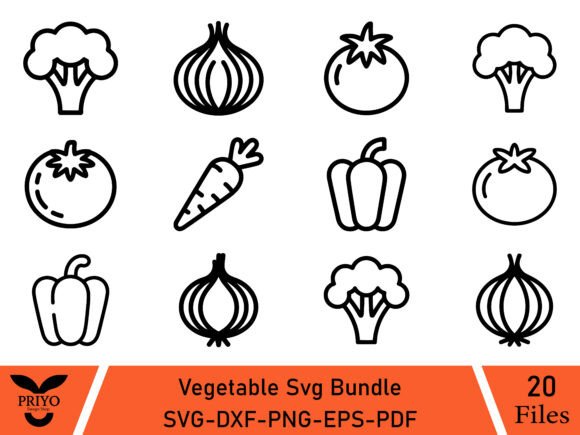
Opening the Vegetable Svg Bundle. Vegetables SVG file feels like stepping into a sunlit farmers’ market—clean lines, cheerful shapes, and an immediate sense of warmth. These aren’t hyper-realistic botanical studies or minimalist line art; they’re approachable, slightly rounded illustrations with gentle curves, open negative space, and consistent stroke weight. Think cherry tomatoes with soft highlights, carrots with friendly taper, and leafy greens that breathe—not crowd. As an embroidery designer who’s stitched everything from nursery quilts to boutique aprons, I instantly recognized this bundle’s sweet spot: it’s built for charm, not complexity. That makes it ideal for machine embroidery design where clarity matters more than photorealism—especially on textured fabrics or smaller hoop sizes.
A Real-World Test: Embroidering a Linen Kitchen Towel Set
Last week, I prepped a small batch of embroidered linen tea towels for a local kitchen boutique. I chose three designs from the Vegetable Svg Bundle. Vegetables SVG—zucchini, bell pepper, and a simple radish—and sized them to fit a 4” x 4” hoop. The result? Crisp satin stitch outlines held beautifully on medium-weight linen, and the fill stitch areas stayed smooth without puckering—even without heavy cutaway stabilizer. Customers loved how the vegetables looked *hand-drawn*, not digitized-to-death. One buyer specifically mentioned how “the radish felt playful but still elegant”—exactly the balance this bundle strikes. It’s not shouting for attention; it’s inviting a second look, then a smile.
Where It Shines (and Where to Pause)
The Vegetable Svg Bundle. Vegetables SVG thrives in projects where friendliness and readability matter most:
- Custom apparel: Works especially well on cotton sweatshirts and relaxed-fit tees—no dense stitch clusters to stiffen the fabric.
- Embroidered patch: Clean edges translate cleanly to iron-on or sew-on patches for kids’ backpacks or denim jackets.
- Baby embroidery: Soft shapes and open interiors reduce thread build-up—critical for delicate onesies and burp cloths.
- Holiday embroidery: Pair with neutral thread (olive, rust, cream) for Thanksgiving linens or Easter kitchen decor—timeless, not trendy.
- Tote bag design: Scales up gracefully for larger hoops, maintaining proportion and legibility at 5–6” wide.
But here’s where practical judgment kicks in: avoid using the smallest elements—like tiny vine details or seed dots—as standalone motifs on stretchy fabric or curved surfaces like caps. On dark fabric, test thread colors early: light greens or yellows may need underlay or a white topping for pop. And while the bundle reads beautifully as Illustrations, remember it’s delivered as Graphics—so always verify whether your embroidery software can convert the SVG cleanly to DST, PES, or EXP before stitching.
What It Adds to Your Finished Product
This isn’t just about stitches—it’s about perception. A well-executed Vegetable Svg Bundle. Vegetables SVG design elevates a handmade product from “cute” to “considered.” Customers notice the spacing between leaves, the subtle taper on a carrot tip, the way a pepper’s curve mirrors natural growth. That builds trust: it signals care, intention, and design fluency. For Etsy sellers and small shop owners, that nuance translates directly to higher perceived value—and fewer “why does this look cheap?” returns. It also supports brand consistency: use the same radish across tea towels, baby bibs, and greeting cards, and your shop starts feeling cohesive, not scattered.
Designer Notes You’ll Actually Use
Before you load the Vegetable Svg Bundle. Vegetables SVG into your machine:
- Test on scrap fabric first—especially if stitching on terry cloth, fleece, or thin cotton. Linen and midweight twill are safe bets.
- Check stitch density. If your machine flags high-density fills, simplify with lighter fill stitch or add a running stitch outline for definition.
- Confirm hoop size compatibility. Some designs scale beautifully down to 3”, others lose charm below 3.5”. Know your baseline.
- Inspect small details—like stem ends or leaf veins—under magnification. If they’re under 0.5mm wide in the vector, they likely won’t digitize cleanly.
- Try black-and-white mockups. Does the shape hold up without color? If yes, you’ve got strong design bones.
- Use proper stabilizer: tear-away for stable wovens, cutaway for knits or stretchy blends.
- Review licensing. Since the listing says “ideal for prints, t-shirt designs, mug making, posters, and many other tasks,” confirm whether commercial embroidery rights are included—especially if selling finished products or digital embroidery files.
Final Thought: Not Just Another Clipart Pack
There’s a quiet confidence in the Vegetable Svg Bundle. Vegetables SVG—it doesn’t try to be everything. It knows its lane: joyful, accessible, and embroidery-ready. As a designer who’s rejected dozens of “cute vegetable” packs for being too fussy or too flat, I appreciate how these hold up in thread, on fabric, and in real customer hands. Whether you’re stitching personalized gifts for a farmer’s market stall, building a craft business around kitchen-themed goods, or designing printable mockups for an Etsy listing, this bundle delivers visual coherence without creative compromise. It’s fresh—not forced. Friendly—not childish. Functional—not forgettable.